Off-Road Vehicles: Keeping Kids Safe on ATVs
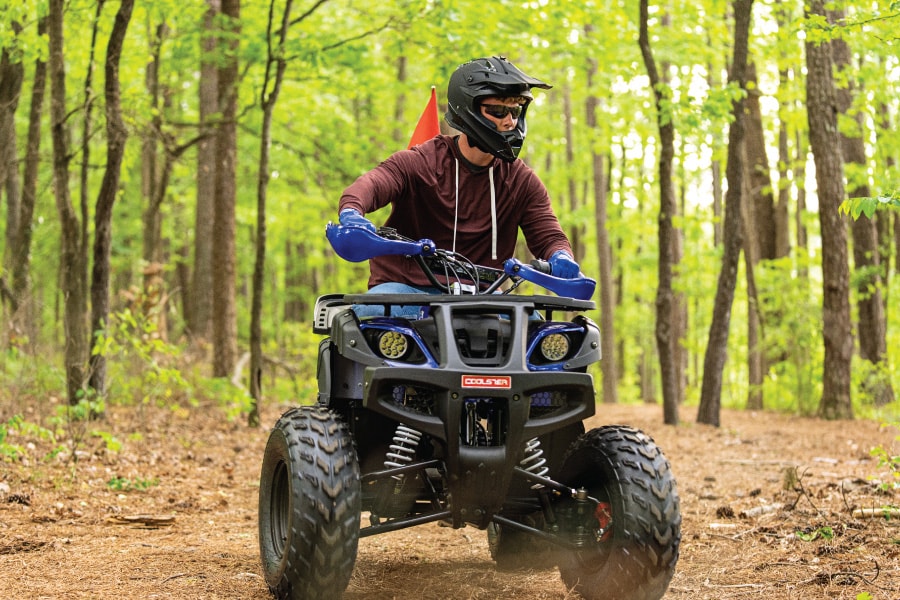
Off-roading is a popular way for kids and teens to get outside with friends and family. Hitting the trails creates opportunities for socializing and physical activity, but when not used safely, a kids’ ATV can be extremely dangerous. Our experts at Safe Kids Georgia and Children’s Healthcare of Atlanta have put together this guide for keeping kids safe when riding ATVs.
In this article:
What is an ATV?
All-terrain vehicles, or ATVs, are motorized off-road vehicles used for sport and recreation. They typically have 4 wheels with thick tires that allow them to handle rough ground. Most ATVs are designed for a single rider who straddles the seat and uses hand controls, similar to a motorcycle.
While ATVs are a lot of fun, they can also be dangerous. According to the Consumer Product Safety Commission (CPSC), almost 95,000 people went to the emergency department with ATV-related injuries in 2022 alone. Most injuries—and deaths—are caused by collisions, flipping over or being thrown from the vehicle.
Before allowing a child to use an ATV, consider the following tips to ensure they’re ready to handle them responsibly and are equipped with appropriate safety gear.
Is my child ready to ride off-road vehicles?
At young ages, it’s hard for kids to understand the consequences of their behavior. In fact, the part of a child’s brain that helps them understand risk and control impulses continues to develop all the way into their mid-20s. That’s why our safety experts recommend waiting until your child is a teenager before letting them operate an ATV. Even then, it’s important to evaluate whether your child is ready to operate an off-road vehicle. Here are some things to consider:
- Determine your child’s physical and cognitive development. Is your child strong enough to hold themselves on the ATV and operate the controls easily without help from an adult or other person? Can they gauge distance and movement well? Do they demonstrate strong decision-making, logic and reasoning? If not, they may not be able to react quickly enough to prevent an ATV accident.
- Discuss the risks that can cause an ATV crash. ATVs become extremely dangerous when driven recklessly. Speeding, performing stunts and riding on inappropriate terrain or in bad weather all increase the chance of crashing or rolling. Teach your child to never drive if they, or someone else, has been drinking or using recreational drugs. Instead, they should call a responsible, sober adult to pick them up.
- Take an ATV safety course together. Before your child operates an ATV, enroll in an ATV safety class so they can get hands-on training. The ATV Safety Institute’s website lets you search for a safety class near you. After the course, practice what you’ve learned to ensure you and your child know how to operate ATVs safely.

Kids' ATV safety tips from our experts
You’ve determined your teen is ready to hit the trails, but how do you keep them safe when operating off-road vehicles? First, remember that ATVs don’t have the safety features we’re used to in cars, like airbags and seat belts. It’s up to you to ensure they’re as safe as possible. Follow these safety tips to reduce the risk of injury or death:
- Stick to age recommendations and restrictions. Just like with other vehicles, some states set a minimum age for operating an ATV. In many cases, a driver’s license is required, meaning your child must be 16 or older. Even where no restrictions exist, never allow kids under the age of 12 to operate an ATV on their own. Children under the age of 6 should never ride an ATV, even on a trusted adult’s lap or as a passenger.
- Be sure the size is right for your child. ATVs are not one-size-fits-all. In fact, our emergency department doctors report some of the most common ATV injuries are caused by kids operating adult-sized ATVs. These vehicles are larger and heavier, which makes them harder for kids to maneuver safely. Before purchasing an ATV, contact your local Safe Kids coalition or sporting goods store for size and fit recommendations.
- Always wear an ATV helmet. Traumatic head injuries are the most common cause of ATV-related deaths. Wearing an ATV helmet is vital for riders of all ages, but especially kids. Keep in mind, bike helmets are not intended for this activity. ATV helmets are specially designed to provide the extra protection needed on off-road vehicles. To avoid scrapes and other injuries, your child should also wear boots, gloves, goggles and clothing that covers their arms and legs.
- Avoid riding with passengers. Most ATVs are designed for only 1 person. Riding with 2 or more people increases the risk of injury to everyone on board. Even when you’re the driver, never allow your child to sit beside you or in your lap.
- Ride in the right place at the right time. Your child should never ride ATVs at night or on a public road, including when crossing a public street. ATVs are not designed for regular road conditions. Their headlights and taillights do not provide appropriate visibility, and they do not have the safety features that keep kids safe in cars. Always ride ATVs on designated trails or private property where cars and pedestrians are not permitted.
- Know that supervision saves lives. Always monitor your child while they’re operating ATVs or similar off-road vehicles. Enforce safety procedures by activating speed limits on youth models, supervising children under 16, and reviewing ATV safety rules with kids and teens on a regular basis.
ATV FAQ
What are the most common ATV injuries?
The most common ATV-related injuries include fractures, cuts, scrapes and concussions, many of which can be life-threatening. In 2024, approximately 159 children in the U.S. died of an ATV-related injury.
Which type of injury is responsible for most ATV deaths?
Traumatic head injuries are the most common cause of death in ATV riders. These can occur in collisions and turnovers, especially when a rider is thrown from the vehicle. To prevent serious injury and death, teach your child to always wear an ATV helmet. Model the safety behavior you want your kids to follow by always wearing a helmet when you’re operating an off-road vehicle, too.
Where can I find an ATV safety course?
The ATV Safety Institute provides hands-on ATV safety courses led by licensed instructors in controlled environments. Their classes are designed for your child’s age group and experience level. Visit their website to find a safety course near you.
How can I prevent a golf cart accident?
Golf carts are becoming more popular, and our emergency room doctors are seeing more golf cart–related injuries as a result. They recommend following these golf cart safety tips to keep your kids injury-free:
- Only allow children 16 and older to operate a golf cart and be sure they have proper training.
- Ensure your child’s golf cart has all-wheel brakes, and that they drive at a safe speed—under 10 mph.
- Teach kids to always wear a seat belt and to avoid vehicles that don’t have them. Be sure to buckle yourself in, too. When grown-ups model safe behavior, kids learn to do it, too.
If your child has an injury or is showing signs of illness, call your doctor or visit an urgent care center. If your child has a life-threatening injury or illness, is having trouble breathing or is unconscious, call 911 and/or visit an emergency department immediately.