Georgia Mom Urges Safe Firearm Storage
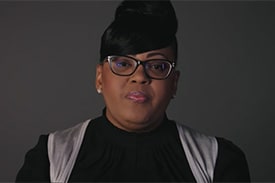
By: Julvonnia McDowell, mother of JaJuan McDowell
Key takeaways:
- In 2016, Georgia mom Julvonnia McDowell lost her 14-year-old son, JaJuan to an unintentional gunshot wound after another child found an unsecured firearm in a family member’s home.
- Julvonnia shares JaJuan’s story and advocates for safe storage to prevent other families from experiencing this type of tragic loss.
-
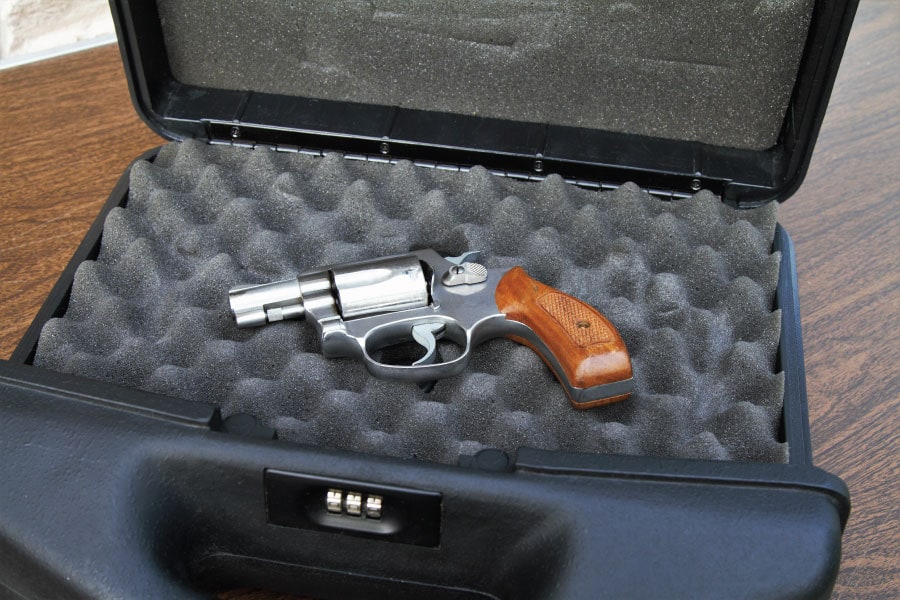
Store firearms unloaded, locked and out of reach.
- Unload your firearms. Firearms should always be stored unloaded.
- Keep firearms and ammunition separate. Firearms and ammunition should always be stored and locked up separate from one another.
- Secure keys and codes. Keep locking device keys or codes in a safe place where kids and teens can’t access them. Avoid storing them with your car keys, which are often available to teens.
- Ask about firearms. Before your child goes to someone else’s home, ask if there are any firearms and how they’re stored.

My story
If you’ve ever experienced trauma, you may find that the littlest things are changed forever. For me? I have a tough time with the past tense. The word “was” is particularly hard for me. Because when you start every statement about your child with “he was,” life will never be the same.
On April 3, 2016, I helped my 14-year-old son pack his bag for spring break. He was going to spend time with family in Savannah, Georgia. As any mother would, I carefully went over all his belongings. I checked to make sure he had everything he needed, like his asthma inhaler. If I could go back to that day, there’s one more thing I would have checked for. I would’ve asked my family members if they had any unsecured firearms in the house.
Just four days later, my son was killed in a 100% preventable, unintentional shooting incident.
On Thursday, April 7, 2016, an unsecured gun lay in a drawer in a family member’s home, loaded, covered only by a T-shirt. Exactly a month after my son’s 14th birthday, he was unintentionally shot and killed by another teen, a family member, while they were playing with that gun.
There’s no shock quite like the shock you experience when your older son calls you and asks you if you’re sitting down. The shock that travels through your entire body when your flesh and blood tells you that his brother has been shot. The shock that makes a four-hour drive feel like an eternity.
When you get that call, everything about life, hope and prayers goes out the window. You just know that you need him to be alive.
When you get to the hospital and find out your son is gone, life as you know it is forever changed. There is only life before and after that moment. And now you start speaking in the past tense.
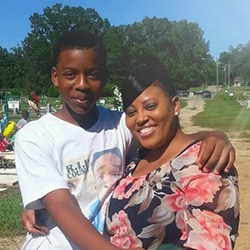 My bud (short for rosebud) had a radiant smile. He was full of joy. He loved animals and wanted to be a veterinarian. He was just beginning to gain confidence as a young man, always telling jokes and pulling pranks.
JaJuan loved helping people. He was sweet and considerate. He was many wonderful things. Now he is, and will always be, my inspiration to save lives.
My firearm safety advice for parents
My son’s story didn’t end on April 7, 2016. JaJuan is saving lives. By sharing his story and talking to parents about firearm safety, I know this to be true.
If I could leave parents with only a single piece of advice, it would be this: Do not ever assume your child is immune from the risks of firearm injury and always have direct and honest conversations about your child’s safety.
Asking other adults—whether they be friends, family members, a school acquaintance or a sitter—about unsecured firearms could absolutely save your child’s life. Don’t shy away from a few moments of discomfort. Because these few moments pale in comparison to the feeling of selecting your child’s casket.
I think we have a false sense of security sending our children to visit with close friends and family members. We assume everything’s going to be OK because these people love our children as their own. But our assumptions don’t change the fact that an estimated 7 million kids in the U.S. live in a home where at least one firearm is loaded and unlocked.
Kids are curious and resourceful. Think about how many times they’ve found gifts we’ve hidden. An unsecured gun is no different.
So the next time your child is away from home, ask the question. If you’re uncomfortable, make the conversation about you and your family. You can say, “My child is very curious. They’re always getting into something. I need to know—do you have an unlocked gun in your house?”
If I could go back in time, I wouldn’t hesitate to ask for a single second. And I hope my story empowers you to do the same.
How to keep guns out of the hands of children
Millions of Americans own firearms, so it’s absolutely critical to store guns as securely as possible. To keep kids away from guns, add layers of security.
Safe firearms storage tips
- Unloaded. Never keep a loaded gun in the house (or car).
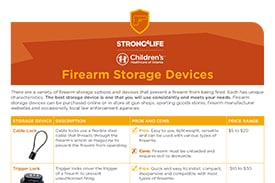
- Locked. We suggest using a lockbox or gun safe. You can use trigger and/or cable locks as additional safety measures.
- Separate from ammunition. Store firearms and ammunition locked in separate and secure locations.
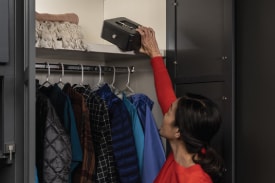
- Out of reach. Store lockboxes and safes out of reach, and out of sight, of young children. Keep keys away from kids and teens, and do not share combination codes.
How and when to ask about firearms
 Whether it’s family, a close friend or a new acquaintance, always ask about firearms in the home or in cars. Ask if there are any guns. If there are, ask how they are stored. If you don’t feel comfortable with their answer, trust your gut and suggest a change of plans.
It may feel awkward at first, but asking is worth the discomfort. Plus, it typically gets easier the more you ask.
If your child has an injury or is showing signs of illness, call your doctor or visit an urgent care center. If your child has a life-threatening injury or illness, is having trouble breathing or is unconscious, call 911 and/or visit an emergency department immediately.