Pool Safety for Families
Water safety reminders:
- Drowning is typically silent, so active supervision is the most important thing you can do to keep kids safe.
- Designate at least one adult to be a water watcher.
- Keep beginner swimmers within arm’s reach, and keep experienced swimmers in sight at all times.
- Watch kids during transition points when they aren’t supposed to be in the water and drowning accidents are more likely.
- Avoid replacing active supervision or swimming skills with life vests or puddle jumpers.
In this article:
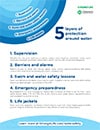

What is active supervision?
Despite popular belief, kids often don't scream, shout or thrash in the pool when they’re having trouble. That’s why active supervision is so important.
Ways to practice active supervision of kids and teens at the pool:
- Keep close, constant watch. Supervising kids and teens means being able to recognize when they’re having trouble in the water and knowing who or how to call for help.
- Monitor without dsitractions, like reading, texting or scrolling. If socializing, be sure to face the direction of where the children are swimming.
- Choose a water watcher: a responsible adult who agrees to constantly supervise kids when in and around water without distractions.
- Take shifts with other water watchers when supervising to avoid exhaustion and distractions.
- Confirm another trusted adult is taking over responsibility for supervising rather than assuming someone else is watching. Ask them directly, “Are you watching Lucas? I need to run to the restroom.”
- Watch kids during transition points (periods of time when kids aren’t supposed to be in the pool) when drowning accidents are more likely.
- Stay close enough to less experienced swimmers to reach out and grab them if needed. For stronger swimmers, you should still be watching them at all times.
- Do not put older kids in charge of keeping younger kids safe around water. Even if they’re a strong swimmer, little ones should always be supervised by an adult.
The best water safety measure caregivers can take is to actively supervise kids and teens in or near water to prevent drowning and other injuries.

Pool safety reminders
Before kids and teens get in or near the pool, keep these pool safety tips in mind:
- Have continued water safety conversations with kids and teens. Explain why pool safety is important (e.g., diving headfirst can cause severe injury or death, rough play can cause injuries, etc.). Peer pressure plays a part. Talk to your child about how certain behaviors can be life threatening. Empower them to make the right decisions under pressure.
- Encourage kids and teens to be honest about their swim skills. There’s no shame in not knowing how to swim, and it’s never too late to learn. If your child isn’t a strong swimmer, encourage them to be open about their skills with their peers and other adults so they can be properly monitored.
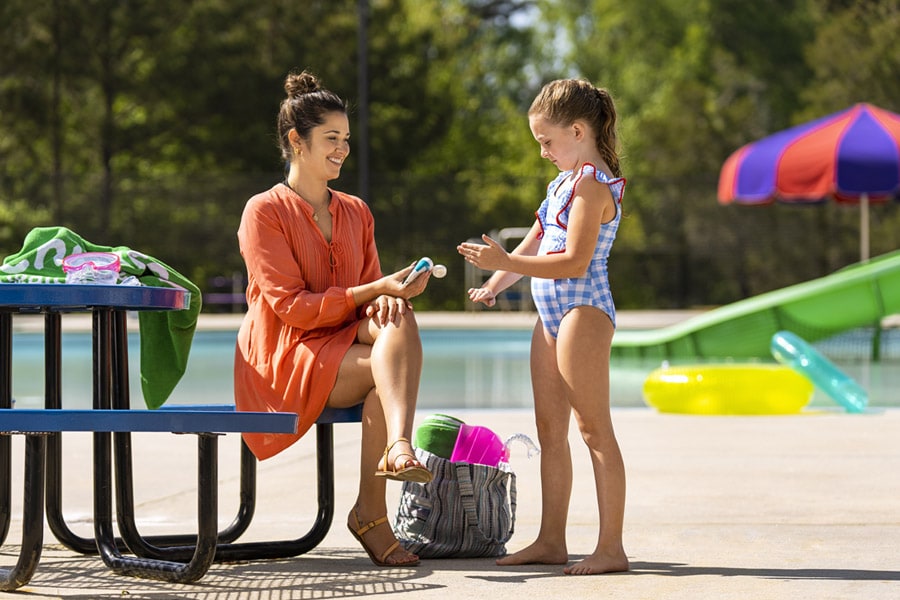
- Protect their skin and eyes from sun exposure with sunscreen and protective sun gear. Learn more about sun safety for kids of all ages.
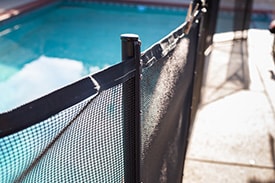
- Secure home pools by closing them off on all sides with at least a 4-foot-high, self-latching fence. The fence should separate the pool from both your house and yard and should not have any openings.
- Designate someone to supervise and consider breaking supervision into shifts among multiple adults while kids and teens are swimming. Acknowledge your limitations—supervising can be stressful and overwhelming.
- Create a gesture or passcode for entering the water (e.g., never getting in the water without giving an adult a high-five).
- Provide less experienced swimmers with life jackets. Remember, life jackets and puddle jumpers are not replacements for active supervision or swimming skills.
- Always enter the water feet first unless you’re in an area clearly marked for diving that has been checked for proper depth to avoid serious head and spinal injuries.
- Remember: No running around the pool or rough play in or near the water. It only takes a second for a child to be injured or hit their head, and it could be especially dangerous if no one notices, which is why constant supervision is critical.
- Empty baby pools and toys with standing water (e.g., buckets, water tables) and turn them upside down after use.
- Consider pool covers to help add another barrier to the pool and prevent injuries outside of swimming hours.
- Make sure all home pool drain covers are intact. Consider asking your service provider to install anti-entrapment drain covers for extra protection.
- Be sure someone at the pool knows emergency preparedness skills (i.e., giving CPR, calling 911, using an AED) and has a first-aid kit.