Teaching Kids and Teens How to Handle Frustration
Frustration is normal and something we all experience. But kids aren’t born knowing how to handle frustration in healthy ways—they need lots of help from us grown-ups to guide them through it.
Feeling frustration isn’t “bad.” It’s not misbehaving or acting out. It’s a natural emotion we all have when facing something new or challenging. But it’s our job to teach kids and teens how to handle strong emotions. And we can start by helping them see frustration as an opportunity to grow and keep trying rather than giving up.
In this article:

What is frustration tolerance?
Kids’ ability to stay calm and keep trying when things don’t go their way is called frustration tolerance. It’s being able to notice and work through the feeling of frustration rather than shutting down or giving up.
Whether your child is a toddler or a teen, frustration tolerance will come in handy their entire lives to face challenges, solve problems and manage their emotions. It’s never too late to start building frustration tolerance, and we can help them by setting expectations, being supportive along the way and modeling emotional regulation skills ourselves.

Why it's important to build frustration tolerance
Helping kids build frustration tolerance is important because it’s a skill that supports their well-being in so many areas of their life. Being able to keep trying in the face of challenges will help them:
- Lower anxiety and stress, boosting mental health and overall well-being.
- Build positive social interactions and relationships throughout their lifetime.
- Develop healthy coping skills and, ultimately, build resilience, the ability to handle life’s ups and downs.
- Perform better academically and personally, with increased focus.
- Make thoughtful decisions by reducing impulsive or reckless behavior.
On the other hand, kids and teens with low frustration tolerance often show outcomes like:
- Avoidance or giving up easily
- Difficulty controlling their emotions
- Conflicts in friendships and other social relationships
- Increased focus on negativity and what they think is unfair
- Frequently comparing themselves to others
- Procrastination and poor problem-solving
- Aggression
- Increased risk of anxiety and depression

How to build frustration tolerance
You can help kids and teens build frustration tolerance by:
Modeling emotional regulation skills
- Show that you can stay calm even when you’re having a hard time. Kids learn by watching us.
- Practice positive self-talk to manage emotions. Try saying, “I’m feeling frustrated, but I can work through this,” when you’re facing a challenge.
- Manage your own emotions by practicing healthy coping skills, like deep breathing, and seek help if you need it.
- Take accountability by apologizing and fixing things if needed. Nobody is perfect, and you’re bound to make mistakes. You’re a human being, and it’s important that kids and teens see repair in action. Try saying, “I’m sorry I snapped at you. I was frustrated, but that wasn’t OK. I should have stepped away to calm down.”
Encouraging emotional expression and normalizing frustration
- Ask open-ended questions to help kids and teens open up about how they’re feeling. For example, try asking, “Your friends didn’t include you in homecoming planning. How did you feel about that?”
- Encourage kids to name their feelings so they understand them better and express them in healthier ways. For example, try saying, “I wonder if learning those new chords is feeling a bit frustrating for you. What do you think?”
- Listen actively and validate their feelings, showing them that frustration is normal. You can try saying, “It sounds like you’re disappointed the game didn’t go your way. I feel that way when I don’t win, too.”
Teaching problem-solving skills
- Guide kids and teens through simple steps to solve problems. You could say, “You can’t reach your snack, and that’s frustrating. Do we need to get a stool?”
- Encourage them to try different approaches or solutions. Using the example above, you could say, “Do you want to use a stool or do you want me to pick you up?” For older kids or teens, try, “We were late for school today. What are some things we can do differently tomorrow?”
Set clear and realistic expectations
- Set goals that are appropriate for your child’s age and developmental stage. Break tasks down into steps they can handle.
- Encourage them to take their time, take breaks and try again when things are challenging.
- Emphasize effort and learning from mistakes as part of learning and growing. For example, try saying, “I’m so proud of how you kept trying your new pitch at practice. And I saw you using deep breathing when it was hard!”
Use play and games
- Use role-playing games to practice handling frustration or disappointment, and persistence to keep trying in the face of challenges. Practicing these skills in a safe space can lower the stakes and the pressure.
- Use games to teach kids to plan, solve problems and be flexible, helping them stay calm when things change.
- Model how to handle wins and losses, and how to overcome obstacles together.
- Get kids and teens playing or moving outside to get energy out and help them manage their feelings.
- Celebrate trying and playing in games, not just winning. This helps kids focus on doing their best and managing their emotions, even if they don’t win.

Creating a safe space for frustration and learning
When kids are learning something new, it’s important for them to feel safe. When we feel safe, we feel less anxious, which can make it easier to focus on learning new skills.
You can create a safe environment for working through frustration by:
- Use positive language, like, “You put a lot of thought into this.” If they mess up, try, “Mistakes are part of learning, and you’re getting better each time.”
- Celebrate small wins to boost their confidence and motivate them to keep going. Celebrating small milestones can help them push forward toward large goals.
- Make family traditions that support kids emotionally, like sharing highs and lows of the day or week.
- Create routines to make things predictable and less stressful, providing a sense of safety.
- Create a calm down corner. This is a dedicated space your child knows they can go to when they’re feeling strong emotions or need a break.
- Always use safe touch in moments of frustration. When you’re frustrated, your child is frustrated, or both. Using aggressive touch or spanking is proven to lead to aggressive behavior in the future.
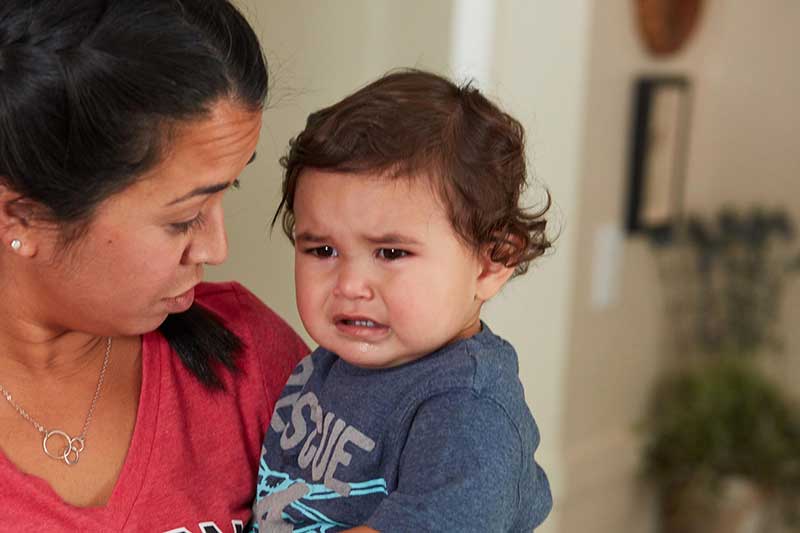
Some crying, yelling, talking back or withdrawal is normal when kids are frustrated. This is especially true for toddlers or kids with low frustration tolerance. It should improve as they build their emotional regulation skills. If your child is consistently showing aggressive or concerning behavior when they have strong emotions, talk with your pediatrician or a licensed mental health professional.
Learning how to work through frustration takes time. It’s something we have to continue to practice as we navigate new situations throughout life. Try to be patient with kids (and yourself). And keep in mind—nobody’s perfect. The goal is to keep learning and get a little better each day.