How to Talk About Firearm Safety
Before your child spends time with another caregiver or goes to someone else’s home, asking about firearms can help you understand the safety measures in place and decide what feels right for your family. These conversations may feel hard because firearms can be a sensitive topic, but asking about firearm safety isn’t about judging someone’s beliefs or values. It’s about keeping kids safe. These talks are worth having, even if they feel uncomfortable. They may even save a life.
In this article:
Start with a safety CHECK
If you’re not sure how to start a conversation about firearm safety, our CHECK conversation guide can help:
Create a routine:
Make a routine of asking safety questions every time you leave your child in someone else’s care.
Have a respectful opening:
Ask for the other person’s permission before jumping into safety questions.
Explain why you’re asking:
Make it about your family or your child’s safety, not the other person.
Be clear:
Ask direct questions about safety, and avoid making assumptions or passing judgment.
Kindly say “thank you”:
End the conversation with a sincere thank you.
Ask firearm safety questions
If your child is going to someone else’s home
Every family has different safety practices. Asking a few questions can help you better understand the gun safety rules a family has in place before your child visits their home:
- Are there firearms in your home?
- Are there firearms kept in cars at your home?
- If there are firearms, how are they stored?
- Can kids or teens access any keys or passwords used to secure them?
Discuss gun safety rules
Once you understand the situation, share your family’s gun safety rules with the other caregiver:
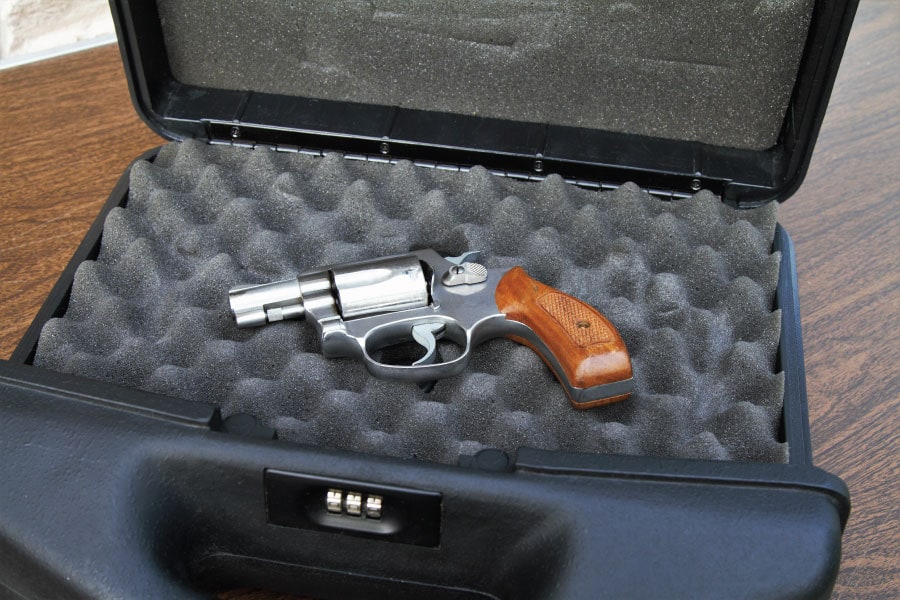
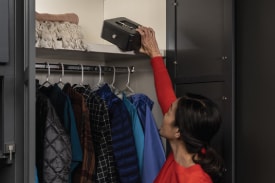
- Store firearms locked, unloaded, and out of reach and sight.
- Store ammunition locked and separately from firearms.
- Make sure kids and teens can’t access locking device keys or codes.
- Encourage kids to leave the area and tell an adult if they find a firearm.
Keep in mind that telling a child not to touch a firearm or keeping a loaded firearm out of reach and sight isn’t enough to keep kids safe.
If someone else is coming to your home
It can be helpful to share safety information about your home first, and to then share firearm safety expectations.
For example:
- “We have firearms in our home. They’re stored locked, unloaded, and out of reach and sight, with ammunition stored separately.”
- Or “We don’t have firearms in our home, but we do have a pool we’d like you to know about.”
Then share:
- “If anyone carries a firearm, we ask that it be left locked in the car or unloaded and stored away while the kids play."
Example firearm safety conversation starter
Need help getting the conversation started? Whether in person, over the phone or via text, here’s a firearm safety script that you can customize next time your child is in someone else’s care:
“Thank you for hosting the boys for a playdate this Friday! Could I ask you a quick safety question our doctor recommends that I ask anytime my child goes to a friend’s house? Do you have any firearms in the home, and if so, how are they stored? Jacob is super curious, so we try to be extra careful when it comes to safety.”
Decide what feels right for your family
After you’ve had the conversation, think about whether you have the information you need to make the decision that’s right for your family. Then, decide how to move forward:
- Say yes: You ask your questions, feel comfortable with their answers and move forward with the plan.
- Ask for a change: Maybe it’s asking to host at your house instead.
- Politely say no: If something doesn’t feel right, it’s OK to not to move forward.
For more firearm safety resources, including scripts to ask about unlocked or loaded firearms in the home, visit bradyunited.org.
If your child has an injury or is showing signs of illness, call your doctor or visit an urgent care center. If your child has a life-threatening injury or illness, is having trouble breathing or is unconscious, call 911 and/or visit an emergency department immediately.