Water Safety for Kids: Talking With Other Caregivers
Water safety for kids starts long before the first splash. If someone will be caring for your child around water, it’s important to talk about water safety ahead of time. Even if swimming isn’t planned, kids can access water in places that may not be as obvious as a pool or beach, including ponds, creeks, bathtubs, water tables and other standing water. That’s why, every time you leave your child in someone else’s care, it’s important to ask, “Will my child have access to any type of water?” Whether your child is heading to a pool party, spending the day with grandparents or visiting a home they’ve never been to before, a simple conversation can help you understand potential risks, set expectations and make a plan that feels right for your family.
In this article:
Start with a safety CHECK
Talking with caregivers is one of the most important parts of water safety for kids. Here’s a quick version of our guide to safety conversations:
Create a routine.
Make a routine of asking safety questions every time you leave your child in someone else’s care.
Have a respectful opening.
Ask for the other person’s permission before jumping into safety questions.
Explain why you’re asking.
Make it about your family or your child’s safety, not the other person.
Be clear.
Ask direct questions about safety, and avoid making assumptions or passing judgment.
Kindly say “thank you.”
End the conversation with a sincere thank you.
Swimming safety questions and expectations for other caregivers
If swimming or other water activities are planned, asking a few questions can help you understand how kids will be supervised and what safety measures will be in place. Every situation is different, so use your best judgment and focus on the questions that make sense for your child. Some questions may be relevant for a backyard pool, while others may apply to lakes, beaches or splash pads.
Supervision around water
- Who will be the adult actively supervising at all times?
- Is the supervising adult a strong swimmer?
- How many kids will they be supervising?
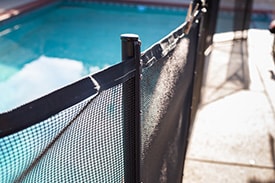
- Is there a four-sided fence around the pool?
- Are there pool covers and alarms?
- Are all barriers and alarms working properly?
- Are U.S. Coast Guard-approved life jackets available?
- Is there rescue equipment that’s easily accessible?
- Are any of the adults CPR certified?
- Will lifeguards be present?
Other questions to consider
- Will anyone be drinking alcohol or using drugs while supervising the kids around water?
- How deep is the water?
- Are there any hazards nearby, like docks, diving boards, rocks, boats or fast-moving water?
Discussing water safety expectations
If another caregiver will be responsible for your child around water, it can help to talk through your family’s water safety expectations ahead of time. Depending on your child’s age and swim skills, consider discussing …
Supervision
- At least one adult is actively supervising around water without distractions.
- Young kids and beginner swimmers stay within arm’s reach of the supervising adult.
- Older, more confident swimmers are also actively supervised.
- Older kids aren’t responsible for younger kids.
Swimming
- No rough play in or around water.
- Older, more confident swimmers never swim alone.
- Enter the water feet first unless the area is specifically designated for diving.
- Swim only in approved areas.
Life jackets
- Beginner swimmers wear a U.S. Coast Guard-approved life jacket when appropriate. If needed, send your child’s life jacket with them.
Bath safety expectations to discuss with other caregivers
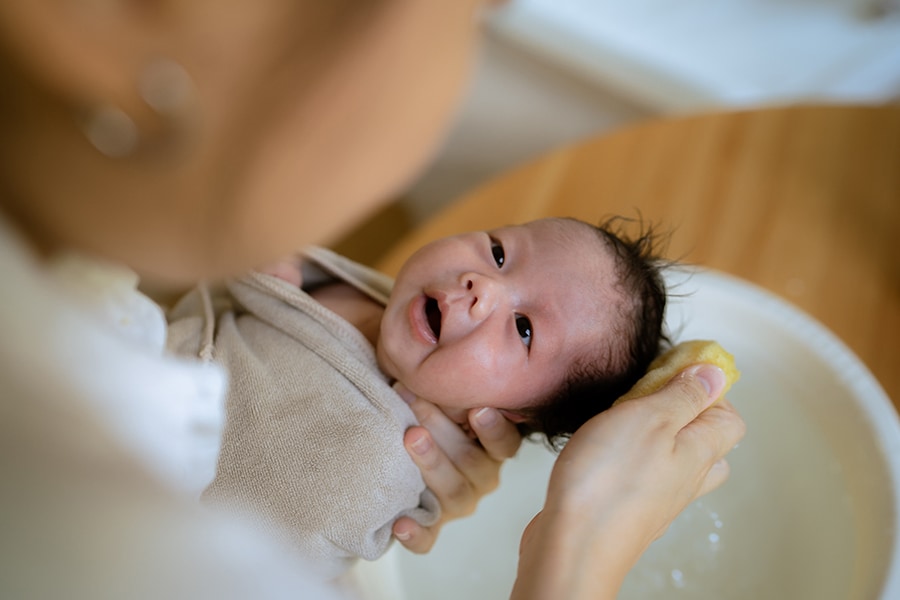
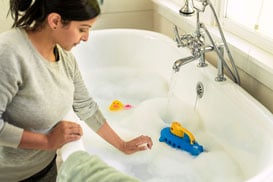
Bath time safety may seem obvious when you’re caring for a child every day, but another caregiver may not know the safety measures your family follows. If someone else is handling bath time, it can help to talk through bath time safety ahead of time.
- Stay within arm’s reach the entire bath.
- Never leave a child alone in the bath, even for a moment.
- Gather towels, soap and other supplies before starting the bath.
- Put away phones and other distractions.
- Drain the bathtub and put away bath toys immediately following the bath.
- Empty any buckets or containers that hold water.
Example water safety conversation starter
Need help getting the conversation started? Whether in person, over the phone or via text, here’s a script that you can customize next time your child will be in someone else’s care:
“Thanks for having Caleb over! Before I drop him off, can I ask a quick water safety question? Will the kids have access to any type of water while they’re playing, like a pool, creek, pond or anything else? If so, what’s the plan for watching them?”
Decide what feels right for your family
Every family approaches water safety for kids a little differently, depending on the child and the situation. After you’ve gathered the information you need, decide what feels right for your family.
- Say yes: You ask your questions, feel comfortable with their answers and move forward with the plan.
- Ask for a change: Maybe you’d like your child to wear a life jacket, swim only when a specific adult is supervising or have the playdate at your house instead.
- Politely say no: It’s OK to make a different plan or decide not to move forward.
If your child has an injury or is showing signs of illness, call your doctor or visit an urgent care center. If your child has a life-threatening injury or illness, is having trouble breathing or is unconscious, call 911 and/or visit an emergency department immediately.