How Emotional Connection Helps Prevent Suicide

When we care about a young person, it can be hard to think about them going through mental or emotional pain. But the Centers of Disease Control and Prevention reports that nearly half of high school students feel sad or hopeless for long periods of time and that suicide is a leading cause of death in children ages 10 to 18. That can be a scary thought, but there are things we can do to prevent suicide in kids and teens. Our mental health experts explain how building emotional connection from an early age can help.
In this article:

Why is emotional connection so important?
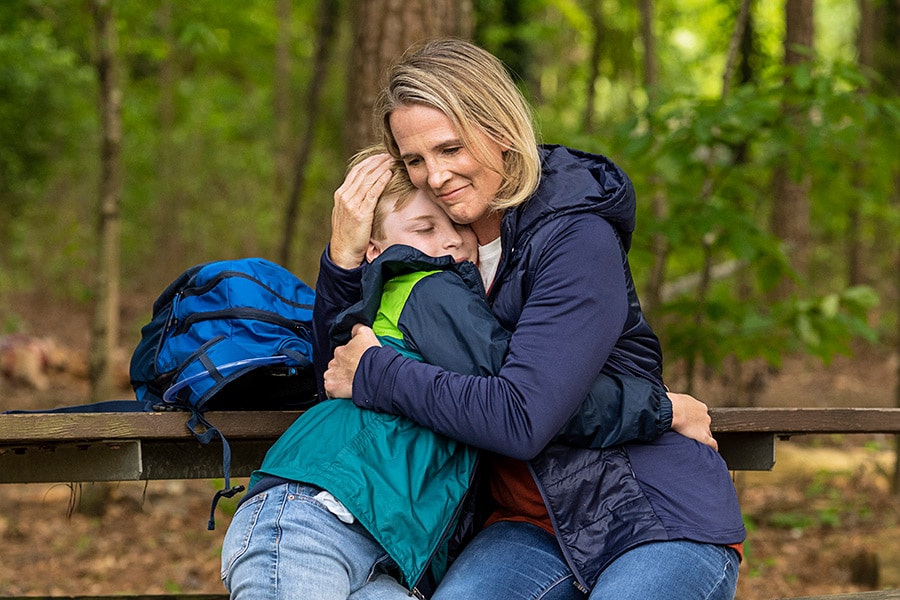
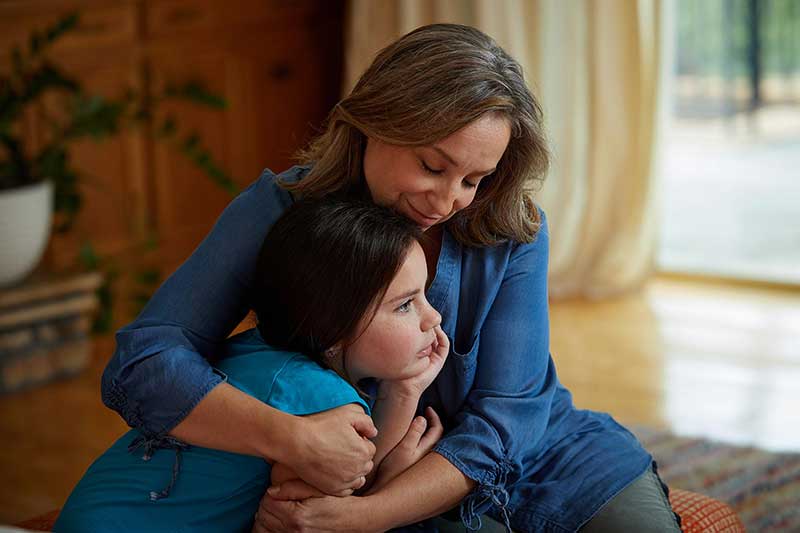
As caregivers, we can provide safe, stable, nurturing relationships (SSNRs) for the children in our lives. Being a go-to adult in their life means they trust us to show up, listen and support them, no matter what. That deep, lasting connection is one of the strongest ways to prevent suicide in teens. It lowers risk and helps kids cope in moments of crisis. When we build emotional connection, we:
- Reduce feelings of isolation. Growing up is hard, and kids often feel alone, different or misunderstood. Close relationships with trusted adults—like family, friends, teachers and coaches—help kids know they’re not alone.
- Build a sense of belonging. Regular connection helps kids feel valued and accepted. Knowing they matter to someone can reduce thoughts like, “I’m a burden,” or “No one would care if I were gone.”
- Create safety to talk about suicidal ideation. Kids are more likely to share dark or scary thoughts with adults they trust. When a child can say, “I’m not OK” and be heard without judgment, adults can notice the risk and take action sooner.
- Reduce mental and emotional distress. Emotional connection doesn’t erase depression, anxiety, bullying or trauma—but it can help kids and teens cope. Supportive relationships can make suicidal crises less intense and shorter.
- Improve access to help. Connected kids usually have adults who notice changes in their moods or behaviors. These adults can help them find professional support through therapy, crisis lines and medical care.

What does emotional connection look like?
Now that we understand why connection is so important, let’s explore ways we can show up for the kids in our lives—at home, at school and in the community. Remember, any trusted adult can build SSNRs, including family members, teachers, coaches and faith leaders.
How to connect with kids at home:
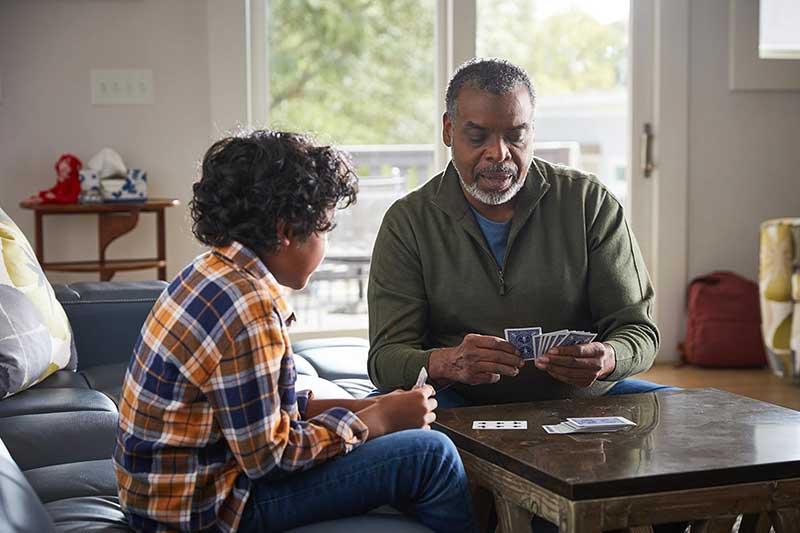
- Prioritize quality time. Spend regular one-on-one time together with your child. Even 10 to 15 minutes of undistracted attention per day can help them feel cared for and seen.
- Be a good listener. When you talk with your child, spend more time listening than speaking. This shows them you’re tuned in and taking them seriously. Ask open-ended questions like, “What was the best part of your day? What was the hardest?” This invites more thoughtful answers than a simple yes or no.
- Take their feelings seriously. All feelings are normal, and they all matter—especially to a young person. Validate their feelings by sayings things like, “I hear that you’re feeling sad. Can you share a little more?” Avoid dismissive or critical comments like, “You’re overreacting,” or “You have nothing to be sad about.”
- Make it clear that you’re there for them. Let your child know they can come to you no matter what. Say things like, “You can always tell me if you’re having dark or scary thoughts. I won’t be mad—I’ll help you.” This can make it easier (and less scary) for kids to reach out when they’re in crisis.
How to connect with students at school:
- Greet them by name. When teachers and staff use students’ names, they communicate that they’re paying attention and that each student is seen as an individual. This validates students and makes it easier to notice when they’re not acting like themselves.
- Create space for the whole child. School is a place for learning—and it can also be a safe space to build emotional connection. Offer programs that focus on peer support, inclusion and kindness, not just academic performance.
- Be a trusted adult. Whether you’re a counselor, nurse, teacher or coach, show up consistently, ask students how they’re doing, and pay attention to any changes in their mood or behavior.
How to connect with youth in the community:
- Create opportunities for kids to join in. Community organizations like clubs; sports teams; and art, culture or faith groups allow kids and teens to build connection with peers and trusted adults. If you’re able to, consider creating or supporting a community group. As parents and caregivers, seek opportunities for your kids to get involved.
- Check in regularly. Close friends, coaches and community leaders see children on a regular basis, which makes it easier to notice changes in their moods or behaviors. As a trusted adult, pay attention, check in and say something if you’re concerned. Try something like, “I am noticing you’re not yourself lately, and I am worried about you. I’m going to connect with your caregiver to let them know. We’re all here for you.”
- Normalize talking about mental health. As a trusted adult, you’re a role model to the kids in your community. When you talk openly about mental health and normalize asking for help, you show kids it’s safe—and important—to reach out when they’re struggling.
Signs a child may be disconnected and at higher risk
As a safe, trusted adult in a child’s life, you’re watching for signs they may be in distress. Look for these behaviors, which may mean a child is at high risk for self-harm or suicide:
- Pulling away from friends, family and activities. When kids stop taking part in things they used to enjoy, it can be a sign they’re feeling depressed, sad or hopeless. When they pull away, try providing emotional connection by checking in and asking direct, open questions about how they’re feeling.
- Spending most of their time alone. Being alone can be a sign a child is dealing with troubling thoughts and feelings. It’s especially risky if they’re spending time in negative spaces, like chats or social media accounts that focus on suicide and self-harm. Monitoring your child’s online activity can help keep them safe, especially if they have a history of mental or emotional distress.
- Saying negative things about themselves. The words kids and teens use to describe themselves tell us a lot about how they’re feeling. Comments like, “No one cares,” “I don’t belong,” or “I’m just a burden” are signs a child may feel worthless or lost. Take these statements seriously and use them to start deeper conversations about what they’re going through.
- Showing big changes in sleep, appetite, schoolwork or behavior. Noticeable changes in mood or behavior can point to a mental or emotional crisis. A change in either direction could indicate distress. For example, if your child suddenly sleeps most of the day or barely sleeps at all, you should take it seriously.
- Talking or joking about death, self-harm or wanting to disappear. Any talk of self-harm or suicidal ideation should be taken seriously, even if it’s said in a joking or casual way. Pay attention to how your child talks to you and others, both in person and on their devices.
How to build emotional connection with a child at risk
By fostering SSNRs with kids from a young age, we support their mental health as they grow up. But how do we build connection with a child who’s already in crisis? Follow these tips:
- Notice and name what you’re seeing. As a caregiver, it’s important that you stay tuned in and that when you do see signs of distress, you name them. You might say, “I’ve noticed you’ve been really quiet and staying in your room a lot. I’m worried about you.” This helps children feel seen and creates space for vital conversations.
- Ask directly about suicide. It’s a common myth that talking about suicide will make the situation worse. Asking about suicide does not put the idea in someone’s head. In fact, the opposite is true—it shows kids you’re safe to talk to, which is crucial in preventing suicide. You might say, “When people feel this bad, they may think about hurting themselves or wanting to die. Has that happened to you?” Being gentle but direct invites kids and teens to be honest with you.
- Stay calm and nonjudgmental. Talking to your child about self-harm and suicidal ideation is difficult. Even if you’re scared, it’s important to respond calmly. Lead with supportive statements like, “Thank you for telling me. I’m glad you told me. We’ll figure this out together.”
- Don’t leave them alone. If a child is in distress, especially if they’ve shared thoughts of self-harm or suicide, they may be in immediate danger. Stay with them and remove access to anything they could use to hurt themselves (such as medications, sharp objects and firearms) while you get help. You can find immediate support by calling or texting the Suicide Crisis Lifeline at 988. For life-threatening concerns or medical attention, take your child to the nearest emergency department.
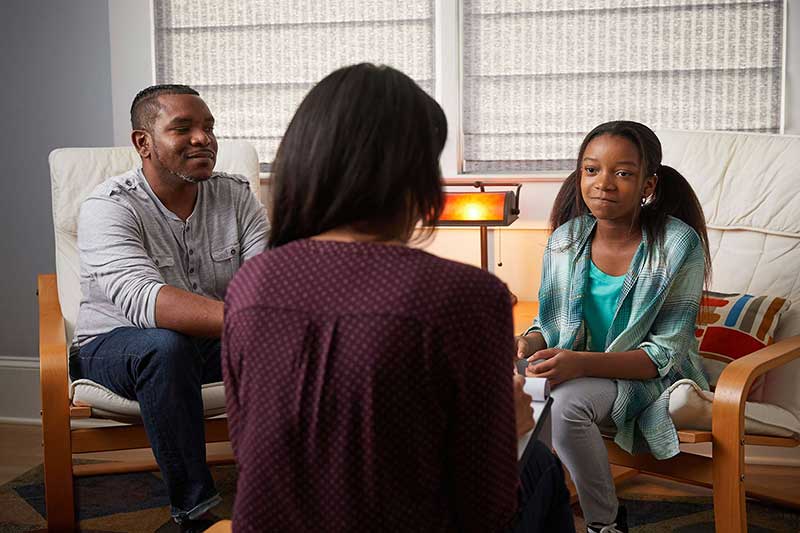
- Connect them to professional help. A mental health professional experienced with children and teens can assess risk and offer treatment. This may include therapy, safety planning and possibly medication. Emergency services like the 988 Lifeline are vital in moments of crisis, but long-term support and care helps ensure children aren’t living in a constant state of distress.
If you or a loved one is experiencing thoughts of suicide, self-harm or any mental health crisis, call or text 988 immediately. Trained crisis counselors are standing by to help. Take any talk of suicide, self-harm or wanting to die seriously.